Home

Blog

Blog
  • Bridging the Gaps: 5 Essential Uses of Industrial Tapes in Bridge Construction
    Bridging the Gaps: 5 Essential Uses of Industrial Tapes in Bridge Construction
    November 05, 2024

    Bridging the Gaps: 5 Essential Uses of Industrial Tapes in Bridge Construction Durable filament tapes have become an essential tool for construction teams, offering a reliable and efficient solution. In bridge construction, safety is a top priority not only for the builders but also for maintaining the integrity of surrounding highway infrastructures. To ensure safety both during and after construction, workers require high-tensile-strength tapes that provide dependable reinforcement. Below are five key applications where filament tapes are crucial in bridge construction. Securing temporary support structures and cable bundling For bridge builders, temporary support structures such as scaffolding, formwork, and shoring systems are essential for holding up components like beams, decks, and girders until the permanent structure is complete. Filament tapes, known for their high tensile strength and durability, play a critical role in securing these supports. These tapes are used to fasten protective coverings and bundle materials, ensuring stability throughout the construction phase. Filament tapes provide reliable reinforcement and prevent removal and displacement of the frameworks, maintaining construction site safety. Their ability to withstand extreme conditions makes them ideal for handling the heavy loads and dynamic forces present during bridge assembly. Another challenge during the construction is tensioning large-span cables. With suitable strapping tape workers can go through the pulling process smoothly. Pavement Marking Highways connect modern amenities across different areas and sometimes improve the efficiency of urban traffic. Meanwhile, for traffic instructions, signals and markings have to be made to make the construction noticeable to passengers. To guide both the crowd and the construction works in the right direction, we need to put up critical markings with tapes that are durable and visible in all weather conditions. Waterproofing and Joint Sealing As proper bundling to formwork and shoring systems is essential during the progress, we also need to be mindful of water damage to secure the bridge's main body. To avoid costly repairs and structural failures afterward, we need to ensure that the concrete doesn’t absorb water while expansion joints are properly covered. Waterproofing is a process to prevent water infiltration to the bridge’s filling of steel and concrete, and joint sealing prevents water from seeping into the substructure or foundation. Water, as we all know, freezes in cold weather and gradually crosses the structure. Tight sealing can function as a waterproof protection on materials. Vibration Damping Filament tapes are invented to accommodate various environments during the application, while in bridge construction, the projects face another extreme condition in addition to climate and load, which is the immeasurable noise on highways. Bridges, particularly those over highways or in urb...

  • Rubber vs Acrylics: what is the difference
    Rubber vs Acrylics: what is the difference
    November 05, 2024

    Rubber vs Acrylics: what is the difference Need long-lasting adhesion for your applications? Wondering which industrial tape you should choose? In this blog, detailed analytics will be given on 2 common ingredients of filament tape adhesives. Understanding the mechanisms of the bonding would help you figure out which tape may better suit your sealing purpose.   What is Acrylic Tape Acrylic tapes’ adhesive is formulated using acrylic polymers. By applying resin-based adhesives to backing materials like PET film, acrylic tapes develop their final strength and durability through the curling process. What is Synthetic-Rubber Tape Rubber-based tapes are mostly pressure-sensitive tapes and heat-activated tapes. Pressure-sensitive tapes are generally easy to use while the latter requires heat to activate its adhesion. Acrylic Tapes vs Synthetic-Rubber Tapes Regarding initial tack, rubber-based adhesives adhere better, but that does not mean they perform better in all circumstances. Acrylics and rubber are fundamentally different, as acrylics are water-activated unless modified to oil-activated components, while rubber is naturally soluble in oil. In some industries like printing, food, and beverage, which have a lot of exposure to people, acrylics would be a better choice for application, as a water-activated tape. In heavy industries like construction and electric appliances, rubber adhesives would be compatible for their resistance to moisture and insulation to electricity.  Why Use Acrylic Tape Light-weight sealing, especially those with a lot of contact with people, prefers acrylic tapes. Some kraft paper tape manufacturers like Kingnodes use acrylic adhesives as a water-activated alternative to starch adhesives. In addition to its lightweight, non-toxic, and recyclable properties, acrylic tapes withstand a wider range of temperatures compared to rubber-based tapes, making them ideal for conditions that are as cold as the inside of a refrigerator and sweltering as the top of a solar panel. Their resistance to UV radiation made them suitable for outdoor use at the same time. Why Use Synthetic-Rubber Tape Rubber-based tapes are less resistant to extreme temperatures and degrade under sunlight, but they have a stronger initial tack. Synthetic rubber adhesives adhere better to steel goods and they offer more flexibility to irregular surfaces. Rubber, performs better resilience and stretchability on a molecular basis, while in adhesives, it results in a quick, water-resistant bonding to metal and other surfaces, but decays in air. Compared to acrylic tapes, synthetic rubber tapes do not last long but they are less expensive. Choosing the Right Adhesive Tape Both materials have their benefits and shortcomings. In general, rubber-based tapes are more suitable for vibration, moisture, and metals while acrylic tapes last longer and are more durable under various conditions. Both materials are suitable for the packaging and logistics...

  • How to sort out suitable tapes for your business
    How to sort out suitable tapes for your business
    November 04, 2024

    How to sort out suitable tapes for your business Tapes are common industrial supplies. Tape manufacturers provide various filament tapes for different sealing and bundling needs. Business owners might get lost in various tape brands and product names, however, choosing the right tape is not that difficult. Here we give a brief introduction to what to consider when selecting industrial tapes for manufacturing purposes. Adhesives Knowing the adhesives helps you sort out the most suitable filament tape solution. Tape adhesives are mostly acrylic or rubber-based, each with the properties of lightweight, non-toxic, water-resistant, and sticky, respectively. In general, acrylic-based tapes perform better on glass, foams, and acrylics themselves while rubber might better suit particular types of plastics and porous, flexible materials. Both acrylic tapes and rubber-based tapes work well on wood surfaces and carton sealing. More details about the tapes can be seen on our website to help you make the most cost-effective choice when buying tapes for your business. Elongation Elongation refers to tape’s ability to stretch or lengthen under tension before breaking, in other words, elongation means the maximum tension it can bear. Tapes with different levels of elongation serve varied applications. Low Elongation Tapes (3% - 7%) Low elongation tapes are mainly used for e-commerce packaging, HVAC systems and masking. High Elongation Tapes (15% and above) High elongation tapes are mainly used for heavy-duty packaging, surface protection, and electrical insulation. Most industrial tapes have the elongation ranging from 3% to 15%, which can meet the general purposes of sealing, strapping and bundling during the project. For areas might need higher elongation, especially construction site safety, Kingnode offer tapes with reinforced elongation up to 28%.   Initial tack Initial tack tells the level of immediate bonding strength when applied to the surface; however, it does not necessarily refer to tapes’ effectiveness during application. High initial tack means the tape adheres instantly with minimal effort, while low initial tack may require more pressure or time to develop a bond. Rubber-based adhesives and hot melt typically have high initial tack, while acrylic-based adhesives take time to develop their full strength. Kingnode offers a wide range of rubber-based filament tapes for industries that might require initial tack, including lithium batteries, cable strapping, furniture manufacturing, and aerospace. We also provide hot-melt flat-back paper tapes to secure storage from pilfering.     Environment Some tapes can withstand a wider range of temperatures while certain conditions like exposure to sunlight and moisture require specific properties from the tapes. In general, acrylic tapes are more suitable for long-term, outdoor uses, while rubber-based tapes favor short-term, indoor applications. In real practice,...

  • About Tape Adhesives: Three Common Types You Should Know
    About Tape Adhesives: Three Common Types You Should Know
    November 04, 2024

    About Tape Adhesives: Three Common Types You Should Know Synthetic rubber, acrylic, and silicone are the three most common types of adhesives in industrial tapes. In real practice, adhesives have varied effects in different applications. Knowing each type’s characteristics can help business owners make the right decision.  Synthetic-rubber-based adhesives  Rubber is insulative, and water-resistant, having a certain stickiness and resilience in nature. With the material property of rubber, synthetic rubber adhesives grow their bond quickly but oxidize over time.  Having enough initial tack and flexibility at the same time, synthetic rubber adhesives are compatible with both rough surfaces and materials with low surface energy. When used in tape adhesives, synthetic rubber can be modified to leave no residue when peeled off from applied surfaces.  Whether for long-term applications or temporal sealing and bundling, synthetic rubber adhesives performs its advantages in filament tapes. Architecture Construction: Reinforcing formworks and fastening the scaffold during the construction. Interior Refurnishing: Self-adhesion of decoration articles, sealing foam window strips, wiring. Automotive: Securing wires, piping, and other equipment. Electrical Appliances: Temporal repair to the surface damage on electrical appliances.   Acrylic-based adhesives  Acrylic, a manufactured plastic created through the polymerization of methyl methacrylate, is highly transparent and resistant to UV and weathering. Acrylic adhesives can withstand a wide range of temperatures and harsh conditions. When used in tape adhesives, acrylic presents these advantages during application. Most acrylic tapes are water-based, but they can be modified to be oil-based.   Acrylic tapes usually take a while to develop their full bonding strength once applied. They show different advantages in various industries. Packaging: Carton sealing and bundling, with paper or plastic backings. Printable and toxic-free. Aerospace: Insulating the fire and adhesion of cabin panels. Medical: Used as medical tapes for their bio-compacity and resistance to certain chemicals. Solar Power: Frame bonding, mounting, and sealing during the assembly and installation of solar panels.   Silicone-based adhesives  Silicone, derived from silicon, is a synthetic polymer. It is highly resistant to water and moisture, ideal for waterproofing. Silicone adhesives have a lower initial tack but presents durability under different weather conditions and extreme temperatures. Unlike synthetic rubber and acrylic, silicone is insulative and biocompatible at the same time. However, when used for electric insulation, silicone adhesives are not as removable, while silicone offer even gentler and breathable bond on skin and wounds.    Silicone adhesives perform the advantages of both synthetic rub...

  • Multiple Uses of Double-Sided Tapes in Construction
    Multiple Uses of Double-Sided Tapes in Construction
    November 04, 2024

    Water-activated tape, also known as gummed paper tape or gummed tape, is a highly durable, eco-friendly packaging solution. Featuring a starch-based adhesive that activates when moistened, this tape is typically found on a strong kraft paper backing, making it an ideal choice for sealing boxes in various industries. What is Water-Activated Tape? Water-activated tape (WAT) is designed with a starch adhesive that bonds powerfully to corrugated boxes when wet, creating a tamper-evident seal. The standard width of this tape is 2.75 inches (7 cm), and its reinforced construction ensures it holds up well during shipping and handling, even on recycled or non-unitized cartons. Key Benefits of Water-Activated Tape 1. Strong, Tamper-Evident Seal: Once applied, the adhesive forms a secure, permanent bond with porous surfaces, making it resistant to tampering. If an attempt is made to peel it off, the tape shreds, providing a clear sign of tampering. 2. Eco-Friendly and Easy to Handle: Made from paper and starch adhesive, water-activated tape is environmentally friendly and perfect for hand applications without the need for cutting tools. 3. Wide Range of Applications: Suitable for sealing boxes in industries such as shipping, distribution, electronics, food and beverage, and pharmaceuticals. 4. Reliable in Various Environments: Performs well in typical shipping and storage conditions, especially when applied at room temperature. Why Choose Water-Activated Tape for Packaging? Water-activated tape is cost-effective, secure, and reduces waste thanks to coreless rolls that simplify roll changes. Unlike plastic tapes, this option enhances package integrity with a strong, durable seal that’s easy to apply and contributes to sustainable packaging practices. Industries Using Water-Activated Tape This tape is used widely in e-commerce, manufacturing, and logistics sectors where secure, tamper-evident packaging is critical. Its reliable performance makes it popular for food and beverage, medical, and general industrial applications. 

  • Five Types Of Fiberglass Tape
    Five Types Of Fiberglass Tape
    April 07, 2020

    There are five types of glass fiber tapes according to their types, and what are their uses. 1. Glass fiber thermal insulation tape is a kind of fiber tape, which has good thermal insulation, heat preservation, and anti-corrosion performance. Fiber tape is made of glass fiber roving or bulky glass fiber yarn, which is applicable For winding high-temperature pipe fittings, such as electric heating wire and cable. 2. Silicone rubber glass fiber protective heat insulation tape, which is a fiber tape made of thick silicon rubber coated on the glass fiber blank. The fiber tape can be used to wrap cables and other heating elements and plays a role in heat insulation. 3. Glass fiber anti-radiation heat-preservation and heat-insulation tape. The production of this kind of fiber tape is especially thick, which is generally thick. In addition to the above two types of performance, fiber tape has insulation and anticorrosive effects. 4. Silicone rubber self-adhesive tape. The double-sided tape made of this kind has good adhesiveness. It is designed to be self-adhesive and solidify. The fiber tape can form a water-tight insulation layer, which can prevent the penetration of oil and pollutants Internal woven layer. Different types of Fiberglass Filament tapes have different functions. Glass cloth high-temperature resistant tape is made of high-quality high-density alkali-free glass cloth, 3M double-sided tape is coated with imported silicone pressure-sensitive adhesive on one side, and processed by high temperature. The product has good temperature resistance (-50 ℃ ~ 200 ℃), strong adhesion, strong tear resistance, solvent resistance, and other characteristics. It is used for high-strength insulation such as H-class heat-resistant insulation banding, flexible circuit board, and ceramic component fixing. protection. Photoelectric die-cutting is the most heat-resistant and toughest in textile products, and can effectively absorb electrical insulation paint and resin. The binding capacity of glass cloth tape is extremely high, and it can withstand the high temperature of 200 ℃. Adhesive tape with tear resistance, good conformability, high-temperature flame retardant adhesive; used for coil encapsulation and fixation, and used as the core, outer layer, and insulation between wires; high-temperature adhesive tape can basically replace 3M-69, P212 in performance, TESA4618 and other imported glass cloth tape.

  • Characteristics Of Glass Fiber Tape
    Characteristics Of Glass Fiber Tape
    April 07, 2020

    Glass fiber tape is an adhesive product made of PET film as the base material and woven with glass fiber or polyester fiber. Fiber tape manufacturers Features: plastic fiber-reinforced backing material, extremely high tensile strength, high abrasion resistance, and moisture resistance, good shape, strong tensile strength, anti-friction, high-temperature resistance, solvent resistance, insulation, flame resistance, etc. , Strong adhesion, perfect packaging effect and not easy to lose. It has a wide range of uses and many characteristics and can use the most economical portion to achieve the best packaging benefits. Thickness: 0.16 (mm) Glue: acrylic Initial adhesion:> = 10N / 25mm Holding force:> = 30 (Hrs) Elongation: 180 (%) Temperature resistance: 120 degrees Product classification: ◆ Fiber We have a single-line type, double-line type, and mesh type fiber. ◆ Glue coated with hot melt adhesive, acrylic, rubber according to different requirements ◆ Thickness can be adjusted according to the weight and material of the package. The thickness of the fiber tape can be adjusted. High temperature resistant Teflon tape ◆ Special specifications can be made into mother rolls, cut into small rolls, long rolls, and other specifications according to customer requirements. ◆ -Viscosity is divided into low-viscosity, medium-viscosity, high-viscosity, residual glue, and transfer glue according to different uses to meet the requirements of different customers. Uses: The fiber tape is used for coil packaging and fixing, as well as carton repackaging, household appliances washing machines, refrigerators, metal, and wooden furniture packaging. It can be printed on the surface, and can effectively absorb resin and electrical insulation paint. Glass fiber cloth tape has the characteristics of strong tensile force, anti-friction, high-temperature resistance, solvent resistance, insulation, and good flame resistance. Glass fiber cloth is based on imported high-density alkali-free glass fiber cloth. It is suitable for transformers, high-temperature equipment, air conditioner contractors, coil wrapping and motors, and other high-temperature special environment applications. Performance, insulation, flame resistance, and other characteristics.

  • Division Of Grid Fiber Tape
    Division Of Grid Fiber Tape
    April 07, 2020

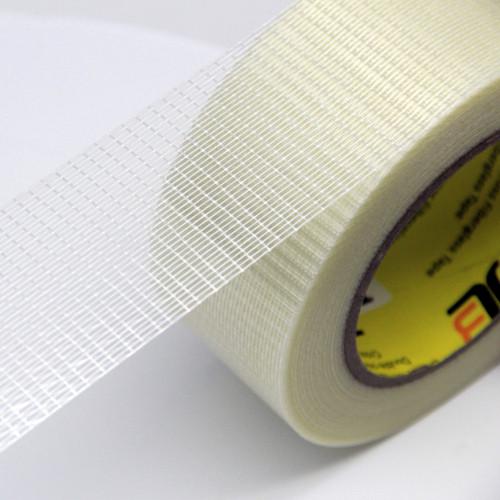
    The division of mesh fiber tape is mainly based on the aperture of the mesh belt The division of the outer wall grid zone is mainly based on the holes of the grid zone. It can be divided according to the number of meshes, that is, how many grids are in a square meter. The smaller the holes, the more expensive the mesh belt, so we can think that the larger the mesh number, the better the quality of the mesh belt. In addition, we can divide the grid zone according to the size of the holes, that is, the size of the holes can also be used as a basis for division. We can also choose according to our needs when selecting the mesh belt. For example, when we use it on some screens, we need to choose a relatively thin glass fiber mesh belt and use it in the insulation layer of the building's exterior wall At this time, the choice of grid zone should be slightly larger. The shaping of the large-eye mesh belt is a difficult point in the production of this alkali-resistant mesh belt, and it is also the reason why the price of this mesh belt is relatively high. In the mesh belt production process, the same shape, the smaller the eyelet specifications, the easier the shape. The large-eye mesh belt can be said to be the most difficult to shape among the mesh belt products. Ordinary mesh belts are shaped by uniformly coating a layer of glue during the production process, and drying and shaping the glue after a high-temperature baking oven. This effect and quality will be very good and can meet various needs. When the large-eye mesh belt is shaped, after one side is glued and baked, the setting effect is not satisfactory, so a second pass of gluing and baking is performed, which is equivalent to two passes of the manufacturing process and Glue and heating cost output. The styling effect will reach the ideal requirements after two treatments, but the cost will increase accordingly. PET high-temperature resistant tape The division of the outer wall grid zone is mainly based on the holes of the grid zone. It can be divided according to the number of meshes, that is, how many grids are in a square meter. The smaller the holes, the more expensive the mesh belt, so we can think that the larger the mesh number, the better the quality of the mesh belt. In addition, we can divide the grid zone according to the size of the holes, that is, the size of the holes can also be used as a basis for division. We can also choose according to our needs when selecting the mesh belt. For example, when we use it on some screens, we need to choose a relatively thin glass fiber mesh belt and use it in the insulation layer of the building's exterior wall At this time, the choice of grid zone should be slightly larger. The shaping of the large-eye mesh belt is a difficult point in the production of this alkali-resistant mesh belt, and it is also the reason why the price of this mesh belt is relatively high. In the mesh belt production process, the same shape, the smaller the eyelet specifi...

  • The Role Of High-strength Fiber Tape Self-adhesive Tape
    The Role Of High-strength Fiber Tape Self-adhesive Tape
    April 07, 2020

    Uses: to repair drywall, gypsum board joints, cracks in various walls and other wall damage Main performance: excellent alkali resistance, durable: high tensile strength and deformation resistance, crack resistance: no deterioration, no foam: excellent self-adhesion, no prior primer coating is required, quick use and easy construction Specifications: 8 × 8.9 × 9 mesh / inch: 55-85 g / m2. Width: 25-1 000 mm: Length: 10-153 meters. Color: Usually white. Construction method: 1. Keep the walls clean and dry. 2. Apply adhesive tape to the crack and squeeze it tightly. 3. Make sure the gap is covered with tape, then cut off the excess tape with a knife, and finally apply mortar. 4. Allow it to air dry, then lightly sand it with a construction hammer. 5. Fill enough paint to smooth the wall surface. 6. Cut off the leaked tape. Then, notice that all cracks have been properly repaired, and the surroundings of the joints are trimmed with fine composite materials to make them as clean as new.

1 ... 11 12 13 14
A total of14pages

We are ready to provide you with the best solutions for your packaging needs.

Send A Message

Send A Message
If you are interested in our products and want to know more details,please leave a message here,we will reply you as soon as we can.
Submit
Contact Us:info@jl3tape.com

Home

Products

whatsApp

contact