Home

News

January 14, 2026
The Shift from Sealing to Securing: An Industry Analysis of Reinforced Water-Activated Tape

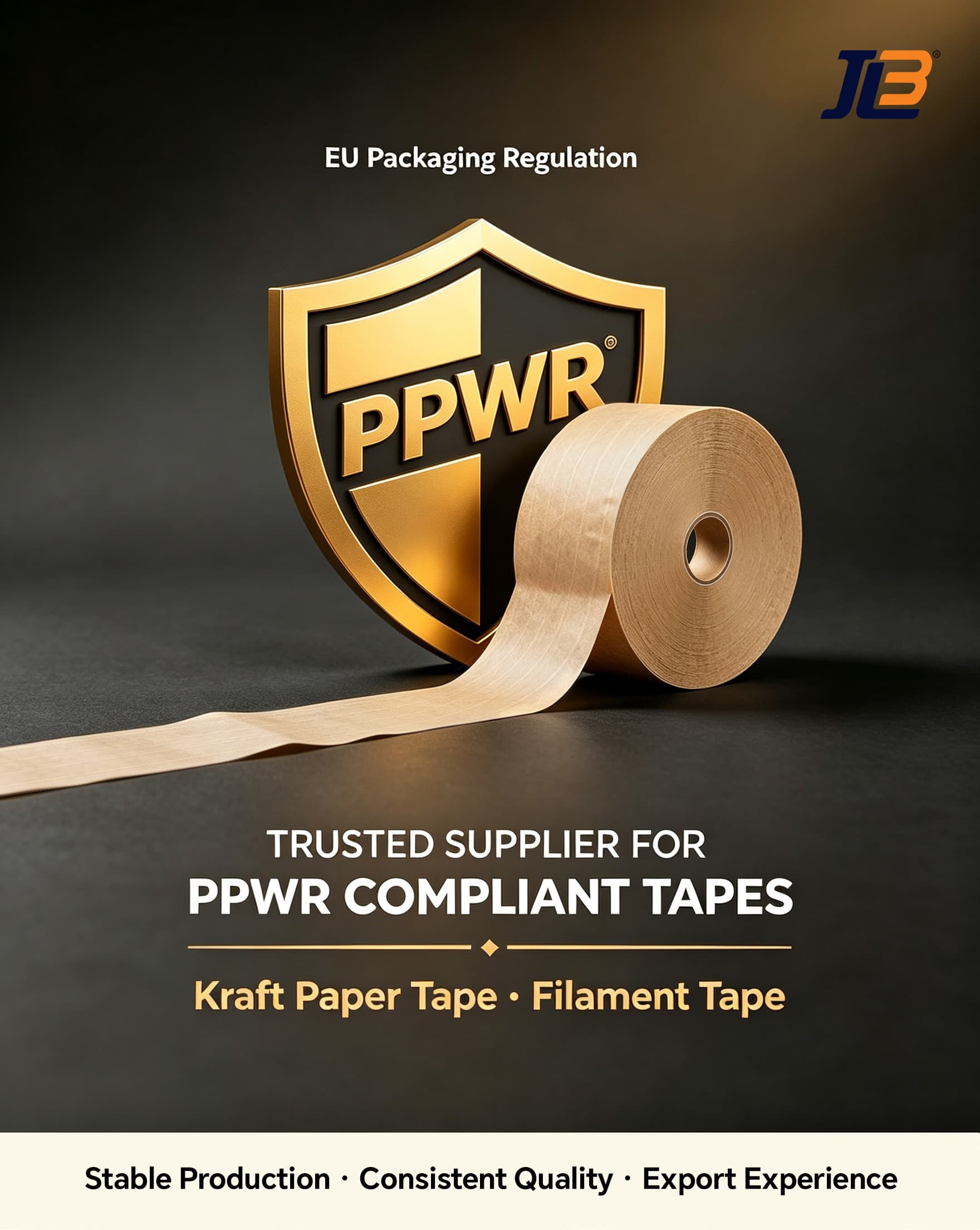
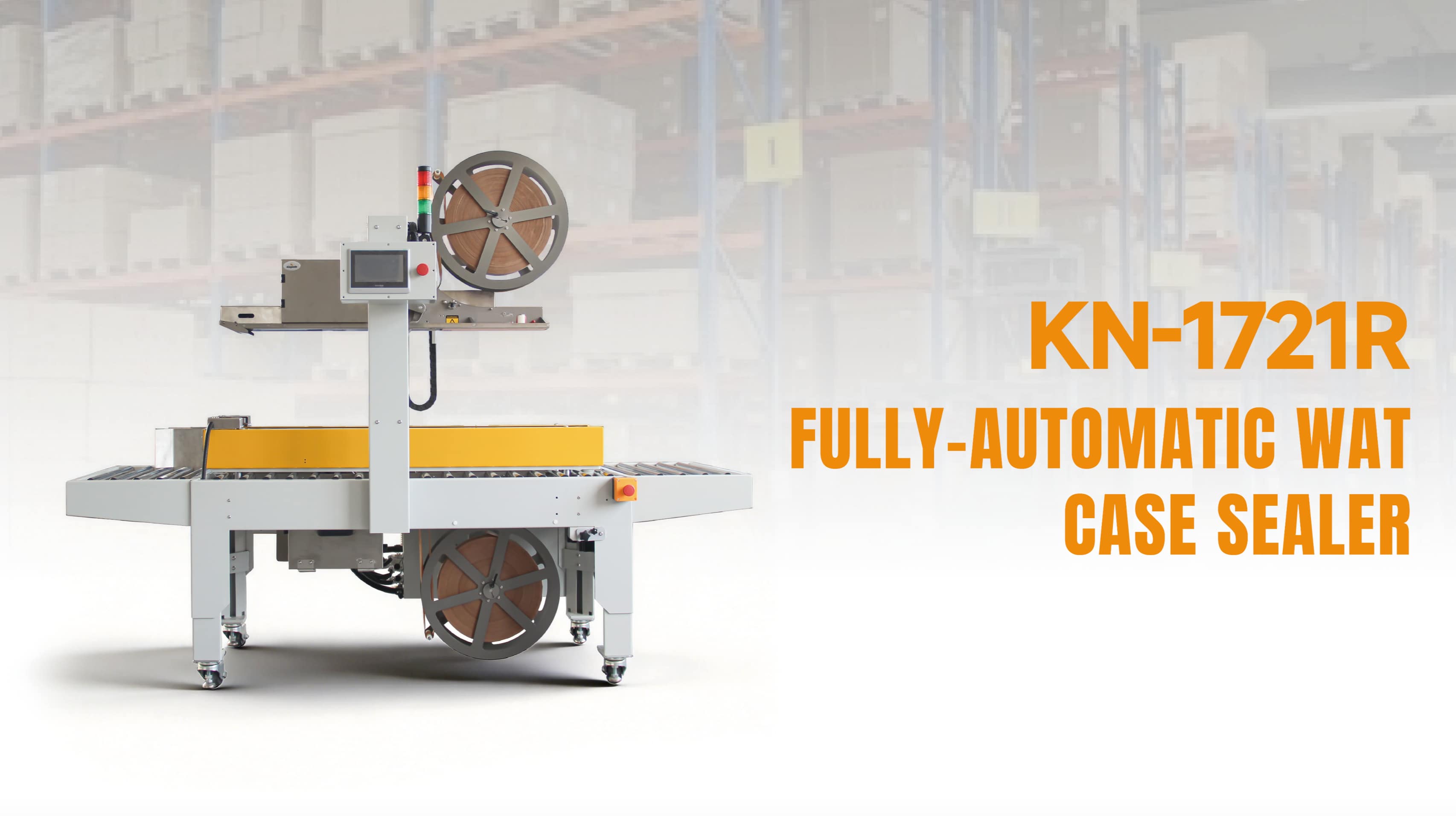
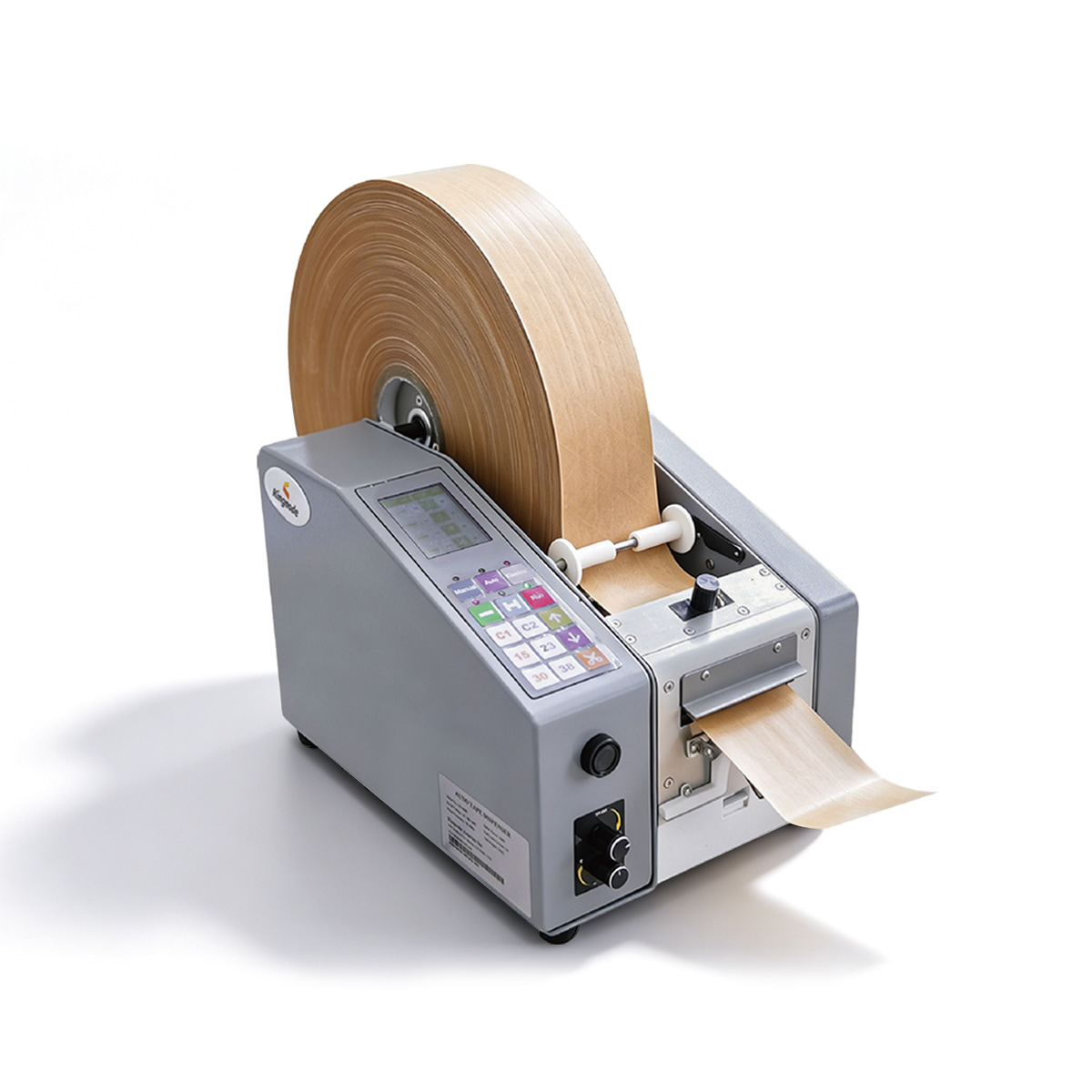
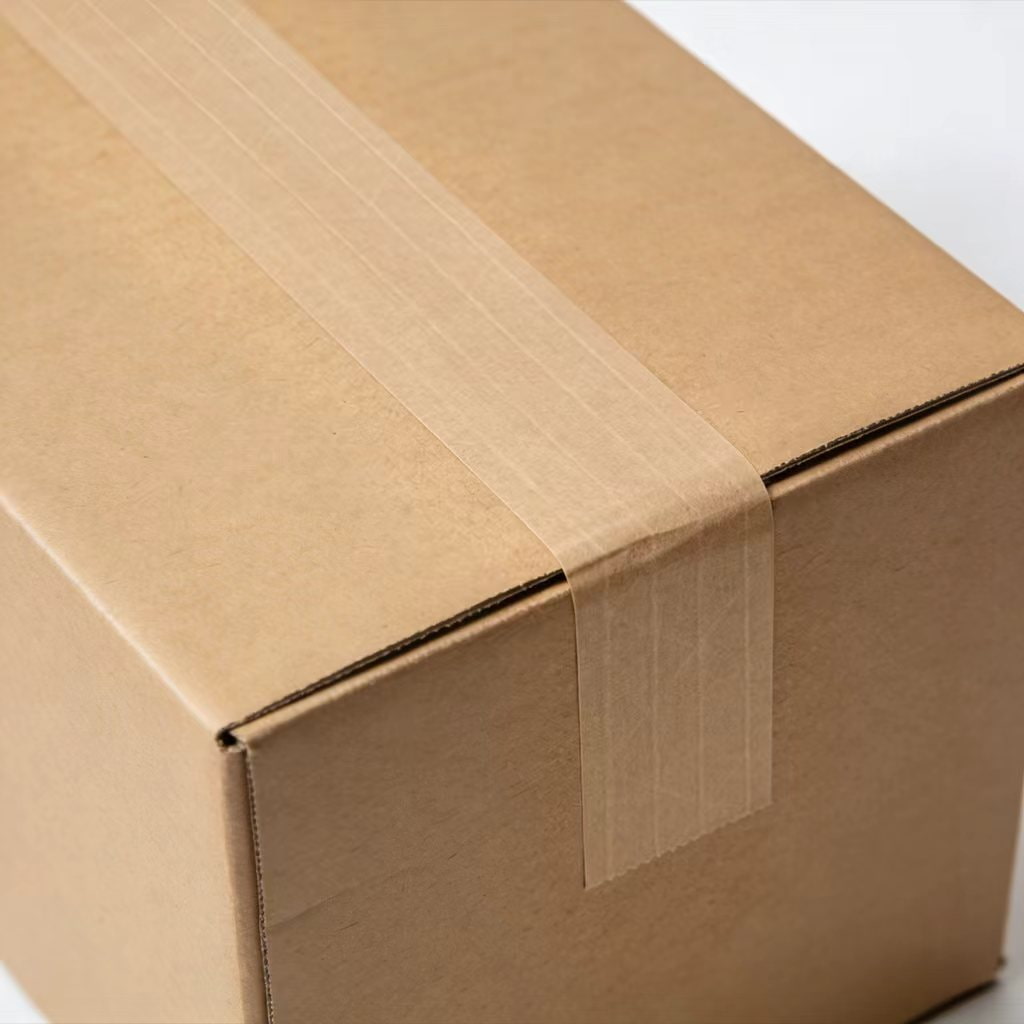
  In the current logistics landscape, packaging tape is no longer just a closure method; it is the first line of defense against product loss and brand dilution. The image provided illustrates a roll of Reinforced Water-Activated Tape (WAT), easily identifiable by the distinct grid pattern of fiberglass strands embedded within the kraft paper. From an industry perspective, the increasing adoption of this specific tape model—such as our JLN-3150 or KN-37120 series—signals a broader shift in e-commerce and industrial shipping towards "tamper-evident" security standards. Unlike pressure-sensitive plastic tapes that sit on the surface of a carton and can be peeled back and re-stuck without detection, the starch-based adhesive on this reinforced tape penetrates the corrugated fibers. Once dried, the tape becomes structurally one with the box, making any attempt at pilferage immediately visible as the box surface itself must be destroyed to open it.   Structurally, the tape shown in the image represents a significant engineering upgrade over standard paper tapes. The visible diamond or cross-weave pattern is formed by fiberglass reinforcement sandwiched between layers of high-strength kraft paper. In logistics analysis, this feature addresses the "bursting strength" required for modern shipping, where packages are subjected to automated sorting systems, drops, and high-stacking pressures. The fiberglass reinforcement acts similarly to rebar in concrete, distributing mechanical stress across the tape's surface rather than allowing it to concentrate at the seam. This prevents the "popping" effect often seen with standard tapes when a heavy box is dropped or compressed, reducing the rate of returns due to shipping damage—a key metric for operational efficiency.   Furthermore, the integration of this tape into automated packaging lines reflects the industry's move toward higher throughput and consistency. While the tape requires water for activation, modern dispensers—like the KN series shown in our equipment lineup—automate this process, measuring, wetting, and cutting the tape in fractions of a second. This combination of machine and material ensures that every box is sealed with the exact amount of tape required, reducing material waste compared to the manual application of plastic tape where operators often apply multiple strips for perceived security. For supply chain managers, the transition to reinforced WAT is not just an environmental choice but a calculation of total cost of ownership, balancing material cost against the savings from reduced theft, lower damage rates, and increased packing speed.

Learn More
News
  • The Shift from Sealing to Securing: An Industry Analysis of Reinforced Water-Activated Tape
    The Shift from Sealing to Securing: An Industry Analysis of Reinforced Water-Activated Tape
    January 14, 2026

      In the current logistics landscape, packaging tape is no longer just a closure method; it is the first line of defense against product loss and brand dilution. The image provided illustrates a roll of Reinforced Water-Activated Tape (WAT), easily identifiable by the distinct grid pattern of fiberglass strands embedded within the kraft paper. From an industry perspective, the increasing adoption of this specific tape model—such as our JLN-3150 or KN-37120 series—signals a broader shift in e-commerce and industrial shipping towards "tamper-evident" security standards. Unlike pressure-sensitive plastic tapes that sit on the surface of a carton and can be peeled back and re-stuck without detection, the starch-based adhesive on this reinforced tape penetrates the corrugated fibers. Once dried, the tape becomes structurally one with the box, making any attempt at pilferage immediately visible as the box surface itself must be destroyed to open it.   Structurally, the tape shown in the image represents a significant engineering upgrade over standard paper tapes. The visible diamond or cross-weave pattern is formed by fiberglass reinforcement sandwiched between layers of high-strength kraft paper. In logistics analysis, this feature addresses the "bursting strength" required for modern shipping, where packages are subjected to automated sorting systems, drops, and high-stacking pressures. The fiberglass reinforcement acts similarly to rebar in concrete, distributing mechanical stress across the tape's surface rather than allowing it to concentrate at the seam. This prevents the "popping" effect often seen with standard tapes when a heavy box is dropped or compressed, reducing the rate of returns due to shipping damage—a key metric for operational efficiency.   Furthermore, the integration of this tape into automated packaging lines reflects the industry's move toward higher throughput and consistency. While the tape requires water for activation, modern dispensers—like the KN series shown in our equipment lineup—automate this process, measuring, wetting, and cutting the tape in fractions of a second. This combination of machine and material ensures that every box is sealed with the exact amount of tape required, reducing material waste compared to the manual application of plastic tape where operators often apply multiple strips for perceived security. For supply chain managers, the transition to reinforced WAT is not just an environmental choice but a calculation of total cost of ownership, balancing material cost against the savings from reduced theft, lower damage rates, and increased packing speed.

  • Secure, Strong, and Sustainable: Why Reinforced Water-Activated Tape is the Upgrade Your Logistics Needs
    Secure, Strong, and Sustainable: Why Reinforced Water-Activated Tape is the Upgrade Your Logistics Needs
    January 13, 2026

    In the bustling warehouse environment captured in the image, where pallets are stacked high and efficiency is paramount, the choice of sealing material defines the safety of the entire shipment. The product featured here—Reinforced Water-Activated Tape—is not merely a consumable; it is a strategic packaging asset designed to address the three biggest pain points in modern logistics: theft, breakage, and operational speed. As seen in the photo, the tape lays flat and integrates seamlessly with the carton, but its true value lies in the engineering hidden within the paper.   The defining characteristic of this tape, visible as the distinct parallel lines running along the roll in the image, is its fiberglass reinforcement. In our product series, such as the JLN-3150 and KN-37120, we embed a network of fiberglass strands between layers of high-tensile kraft paper. This reinforcement acts like a skeleton, providing exceptional tensile strength that allows the tape to withstand the shocks, drops, and stacking pressures typical of supply chains. Unlike standard plastic tapes that can stretch or snap under tension, our reinforced tape maintains the box's structural integrity, ensuring that heavy items remain securely contained from the warehouse floor to the customer's doorstep.   Beyond physical strength, this tape offers unmatched security through its chemical bonding process. Utilizing a starch-based adhesive system, the tape does not simply sit on the surface of the box; once activated by water, it penetrates the corrugated fibers, effectively welding the tape to the carton. This creates a permanent, tamper-evident seal. As shown on the sealed box in the foreground of the image, the seal is clean and absolute. Any attempt to remove the tape will result in visible destruction of the box surface, providing an immediate deterrent to pilferage—a critical feature for shipping electronics, pharmaceuticals, or high-value retail goods.   Switching to Reinforced Water-Activated Tape also drives operational efficiency. Because of the aggressive bond and fiberglass strength, a single strip is often all that is needed to seal a carton, eliminating the wasteful "double-taping" often required with weaker pressure-sensitive tapes. This "one-strip seal" method not only reduces material consumption but also speeds up the packing line, especially when paired with our automated dispensers. For businesses looking to professionalize their packaging while ensuring their products arrive safe and sound, this reinforced solution is the industry gold standard.

  • The Strength Behind Reinforced Kraft Tape
    The Strength Behind Reinforced Kraft Tape
    January 09, 2026

    If you look closely at the tape in the image, you will notice a distinct diamond-shaped grid pattern running through the kraft paper. This is not a design choice for aesthetics; it is the structural backbone of Reinforced Water Activated Tape (WAT). In our product catalog, this category, represented by models like the JLN-3150, is engineered for scenarios where a simple paper seal is not enough. The visible grid is composed of fiberglass strands sandwiched between two layers of high-strength kraft paper. While standard paper tape relies solely on the fiber strength of the paper itself, the inclusion of this fiberglass network acts similarly to rebar in concrete, drastically increasing the tape's tensile strength and preventing it from snapping under the pressure of a heavy or overstuffed carton.   The second critical component of this tape, though invisible in the image until applied, is the adhesive system. Unlike pressure-sensitive plastic tapes that rely on synthetic chemical tack to sit on top of a box's surface, this tape utilizes a starch-based adhesive. As seen in the application photo, once the tape is wetted and applied, it does not just stick; it creates a permanent bond. The dissolved starch penetrates deep into the corrugated fibers of the carton, effectively "welding" the tape to the box. This creates a tamper-evident seal, meaning that if someone attempts to peel the tape off to pilfer the contents, the box surface will tear, leaving visible evidence of tampering. For industries shipping electronics, automotive parts, or heavy industrial goods, this combination of fiberglass reinforcement for strength and starch adhesive for security makes it the superior choice over standard plastic packing tape.

  • Filament Tape: The Heavy-Duty Champion for Industrial Bundling and Sealing
    Filament Tape: The Heavy-Duty Champion for Industrial Bundling and Sealing
    January 08, 2026

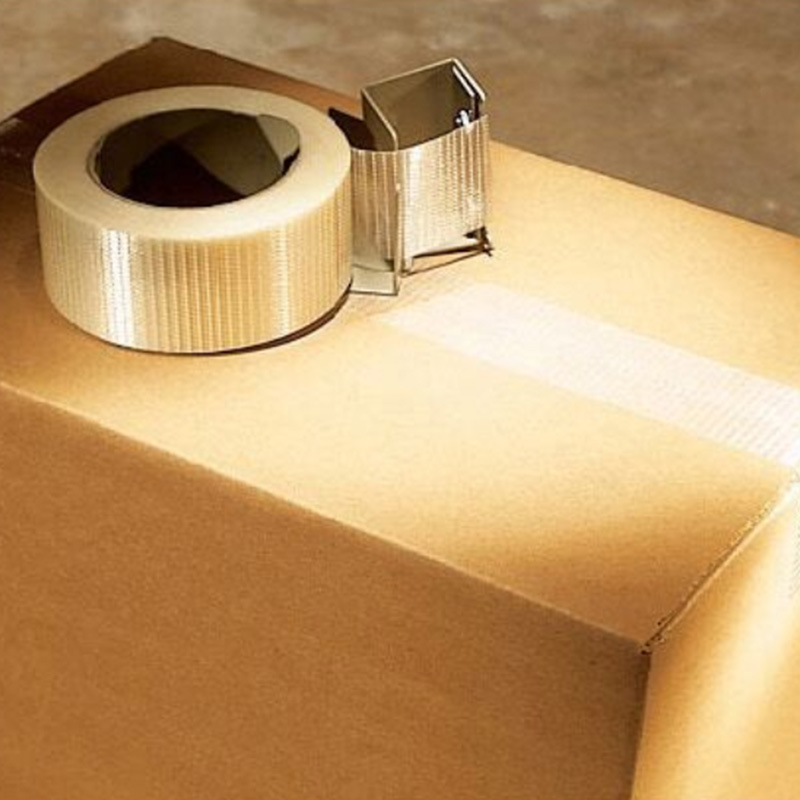
    When we encounter packaging challenges that require more than just a simple seal—such as bundling steel pipes, securing appliance doors during transit, or palletizing heavy cardboard boxes—standard plastic tapes often fall short. This is where Filament Tape comes into play. As shown in the image, this tape is easily recognizable by the visible strands of fiberglass embedded within the adhesive layer. These strands act like the steel rebar in concrete, providing exceptional tensile strength that prevents the tape from snapping under high stress. In our product catalog, these are categorized under the JLT (Uni-Directional) and JLW (Bi-Directional) series, designed specifically for scenarios where material integrity and load stability are non-negotiable.   The structural core of our filament tape typically consists of a PET (Polyethylene Terephthalate) or BOPP backing paired with a synthetic rubber or hot melt adhesive. The defining feature, however, is the reinforcement. For applications requiring strength primarily in one direction—such as bundling tubes or holding coils—we recommend our Uni-Directional Filament Tapes like the JLT-602 or JLT-602A. The JLT-602A, for instance, offers heavy-duty tensile strength up to 850 N/25mm, making it capable of handling significant mechanical loads with minimal elongation (3-5%). For more complex sealing needs where stress might come from multiple angles, our Bi-Directional (Cross-Weave) tapes, such as the JLW-325, utilize a fiberglass grid pattern that prevents the tape from splitting longitudinally, providing a secure "H" seal for heavy cartons.   The tagline in the image, "Ship with Sustainability," highlights an often-overlooked aspect of high-strength industrial tapes: material efficiency. Because filament tapes like our JLT-605 possess such high tensile strength and aggressive adhesion, a single strip is often sufficient to secure a load that would otherwise require multiple layers of standard packing tape. Furthermore, we offer specialized variations like the "Clean Removal" series (e.g., JLT-607A), which are specifically engineered for the appliance and furniture industries. These tapes hold moving parts like refrigerator doors or printer trays securely during shipping but can be peeled off cleanly by the end consumer without leaving the messy adhesive residue associated with cheaper alternatives, thereby reducing the need for cleaning solvents and preventing surface damage.   Ultimately, choosing the right filament tape is about matching the tensile strength and adhesive properties to your specific industrial application. Whether you need the extreme holding power of the JLT-6614 for bridge construction and steel bundling, or the balanced performance of the JLT-602 for general packaging, these tapes provide the structural confidence that your goods will arrive intact. By utilizing a tape engineered for durability, you minimize the risk of product damage and return...

  • Product Analysis: Why JLN-2740H is the Ideal Hot Melt Solution for Light-Duty Carton Sealing
    Product Analysis: Why JLN-2740H is the Ideal Hot Melt Solution for Light-Duty Carton Sealing
    December 31, 2025

    Based on the visual evidence of the smooth, uniform surface in the image and the technical specifications from our catalog, the tape featured is the JLN-2740H Self-Adhesive Kraft Paper Tape. This product is designed to bridge the gap between the aesthetic demands of sustainable packaging and the operational need for speed. Unlike water-activated tapes that require a dispenser to moisten the adhesive, the JLN-2740H utilizes a high-tack hot melt adhesive system. This allows for immediate application without water, making it an ideal solution for manual packaging stations or low-volume shipping environments where efficiency and ease of use are paramount.   The construction of the JLN-2740H features a 70g/m² kraft paper backing , which provides a total thickness of approximately 4.9 mils (0.125 mm). As seen in the image, the tape lacks the cross-weave pattern of reinforced tapes, indicating it is a non-reinforced model intended for light-duty sealing. Despite being a "light-duty" option, the technical data indicates a tensile strength of 90 N/25mm (20 lbs/in), which is sufficient for securely sealing standard corrugated cartons, envelopes, and lightweight parcels. The hot melt adhesive provides a peel adhesion of 21 N/25mm, ensuring a strong initial grab that prevents the "pop-up" effect often seen with lower-quality plastic tapes on recycled cardboard.   Visually and functionally, this tape offers a distinct advantage for brands focused on the unboxing experience. The natural brown color blends seamlessly with standard cardboard boxes, creating a monolithic, premium look that plastic tape cannot achieve. Furthermore, because it is self-adhesive, it can be used with standard hand-held tape dispensers, eliminating the need for investment in electric water-activated tape machines. For businesses looking to move away from BOPP plastic films while maintaining the speed of a pressure-sensitive tape, the JLN-2740H offers a practical, reliable, and aesthetically pleasing alternative.

  • Instructions regarding 100% biodegradable tape
    Instructions regarding 100% biodegradable tape
    December 25, 2025

    In the industrial packaging sector, the term "Eco Tape" is often used loosely, but for a manufacturer, it refers to a specific engineering challenge: replacing non-degradable synthetic components with renewable alternatives without sacrificing tensile strength. The product shown in the image represents our solution to this challenge—a 100% degradable reinforced water-activated tape. While standard reinforced tapes rely on fiberglass strands to prevent snapping under heavy loads, this eco-friendly iteration utilizes plant-based yarn. This material innovation allows the tape to maintain the heavy-duty bundling and sealing capabilities required for logistics while ensuring that the entire packaging solution—box and seal combined—can return to the earth without leaving microplastic residue. The "Eco" designation in our product line, specifically models like the JLN-3150E or KN-37120E, is defined by its complete material composition. The backing is robust kraft paper, the adhesive is a plant-derived starch formulation that bonds permanently with corrugated cartons, and the reinforcement grid is made from biodegradable plant fibers rather than glass or polyester. This structural design solves a critical recycling bottleneck: standard fiberglass tapes must be filtered out during the paper repulping process, whereas our degradable water-activated tapes can be processed directly with the carton or composted. For businesses shipping heavy goods, this means achieving the high-security, tamper-evident seal of a traditional reinforced tape while fully aligning with zero-waste and circular economy protocols.

  • How to choose Gummed Paper Tape
    How to choose Gummed Paper Tape
    December 18, 2025

    Gummed paper tape, often technically referred to as water-activated tape in our product specifications, represents a distinct category of carton sealing solutions designed for high-security and heavy-duty packaging applications. Unlike pressure-sensitive tapes that rely on synthetic tackifiers to adhere to the surface of a box, gummed paper tape utilizes a starch-based adhesive system that, upon wetting, penetrates the corrugated fibers of the carton to create a permanent, destructive bond. This fundamental difference means that once the tape is applied and dried, it effectively becomes part of the box itself, making it nearly impossible to remove without leaving visible evidence of tampering, a critical feature for industries transporting valuable electronics or sensitive goods.   The structural composition of gummed paper tape varies significantly to meet different load-bearing requirements. For general light-duty sealing, a non-reinforced kraft paper backing, such as our JLN-370 model, provides a clean and recyclable seal suitable for lighter boxes. However, industrial applications typically demand higher tensile strength, which is why we engineer reinforced versions like the JLN-3150 and KN-37120. These tapes sandwich a reinforcement layer between two sheets of kraft paper; the JLN-3150, for instance, utilizes fiberglass strands in a specific pattern to resist splitting and tearing during transit. For heavier loads, the KN-37120 increases the density of this fiberglass network and the weight of the paper backing to handle significant mechanical stress during logistics handling.   Sustainability is a driving force in the evolution of gummed paper tape, particularly as companies seek to eliminate plastic from their supply chains. While standard reinforced tapes contain fiberglass, which is not biodegradable, we have introduced fully degradable alternatives like the JLN-3150E. This model replaces the traditional fiberglass reinforcement with plant-based yarn, maintaining the necessary tensile strength for light to medium-duty applications while ensuring that the entire tape—backing, adhesive, and reinforcement—is eco-friendly and recyclable. By selecting the appropriate grade of gummed paper tape, from the standard fiberglass-reinforced JLN-3150 to the heavy-duty KN-37120 or the eco-conscious JLN-3150E, packaging facilities can ensure load stability while aligning with environmental protocols.

  • Differences in usage scenarios and functions between wet kraft paper tape and self-adhesive kraft paper tape
    Differences in usage scenarios and functions between wet kraft paper tape and self-adhesive kraft paper tape
    December 18, 2025

    When we discuss kraft paper adhesive tape in the context of professional packaging, we are usually looking at a balance between environmental considerations and actual sealing performance. Unlike standard plastic tapes, kraft paper options blend in with corrugated cardboard, creating a uniform look that many brands prefer, but the technical construction varies significantly depending on the adhesive system used. In our product line, we distinguish primarily between self-adhesive kraft tapes utilizing hot melt adhesives and water-activated tapes that rely on starch-based formulations.   For general applications where convenience is the priority, self-adhesive kraft paper tape is often the first choice for many manual packaging lines. Models like our JLN-2740H use a hot melt adhesive system that provides immediate tack without requiring water activation. This makes them similar in user experience to standard pressure-sensitive tapes but with a paper backing that creates a more sustainable package appearance. These tapes are designed for light-duty applications where the primary goal is a quick, clean closure without the need for an electric dispenser. We also offer reinforced versions in this category, such as the JLN-2953H or KN-28160E, which embed polyester or plant-based yarn to prevent the paper from snapping under tension, effectively bridging the gap between standard paper tape and stronger filament solutions.   However, for heavy-duty packaging and scenarios requiring tamper-evident security, water-activated tape remains the industrial standard. Our reinforced water-activated tapes, such as the JLN-3150 series, use a starch-based adhesive that penetrates the carton fibers once wet, creating a permanent bond that essentially welds the tape to the box. This is structurally different from pressure-sensitive adhesives that sit on top of the surface. To handle heavy items, we integrate fiberglass reinforcement in varying patterns; for instance, the JLN-3150 utilizes a fiberglass pattern with specific spacing to ensure the tape does not split during transit. This fiberglass network provides the structural integrity needed for shipping valuable goods like electronics or automotive parts, where a broken seal could mean lost inventory.   We also recognize that sustainability is driving changes in material composition, which is why we have developed degradable options within the kraft paper adhesive tape category. The JLN-3150E and KN-37120E models, for example, replace traditional fiberglass with plant-based yarn reinforcement while maintaining the robust starch-based adhesive system. This allows industrial users to maintain the bundling and sealing strength required for heavy-duty logistics without compromising on recyclability. Whether choosing the immediate tack of a hot-melt self-adhesive tape or the structural security of a water-activated starch adhesive, the selection process ultimately comes down to the specific weight of the g...

  • Efficiency Without Water Introducing the JLN-2750H Self-Adhesive Kraft Paper Tape
    Efficiency Without Water Introducing the JLN-2750H Self-Adhesive Kraft Paper Tape
    December 17, 2025

    In the fast-paced world of modern logistics, finding the perfect balance between the premium aesthetic of tape and the operational speed of pressure-sensitive tape is essential. The image above captures the seamless and professional finish of the JLN-2750H, our premier Self-Adhesive Kraft Paper Tape. Unlike traditional Water Activated Tapes that require moisture to activate a starch adhesive, the JLN-2750H is engineered with a high-performance Hot Melt adhesive system. This distinct feature allows for instant application using standard handheld tape dispensers, eliminating the need for water reservoirs or electric machines. It is the ideal solution for warehouses that require the high-end look of paper tape but need the mobility and rapid sealing capabilities of a self-adhesive product. The JLN-2750H stands out not just for its convenience but for its reliable performance on corrugated surfaces. The tape features a robust Kraft paper backing  that blends naturally with cardboard cartons, creating a uniform and eco-friendly package appearance that plastic tapes simply cannot replicate. The Hot Melt adhesive provides an aggressive initial tack, ensuring an immediate and secure bond that holds firm during transit. For businesses committed to sustainability, this tape supports eco-conscious goals as its paper construction is more compatible with carton recycling streams than plastic alternatives.our JLN-2740H and JLN-2950H lines —to provide consistent unwinding and superior holding power. With the JLN-2750H, you achieve a tamper-evident, recyclable seal that enhances your brand image while streamlining your packing line efficiency.

1 2 3 ... 15
A total of15pages

We are ready to provide you with the best solutions for your packaging needs.

Send A Message

Send A Message
If you are interested in our products and want to know more details,please leave a message here,we will reply you as soon as we can.
Submit
Contact Us:info@jl3tape.com

Home

Products

whatsApp

contact