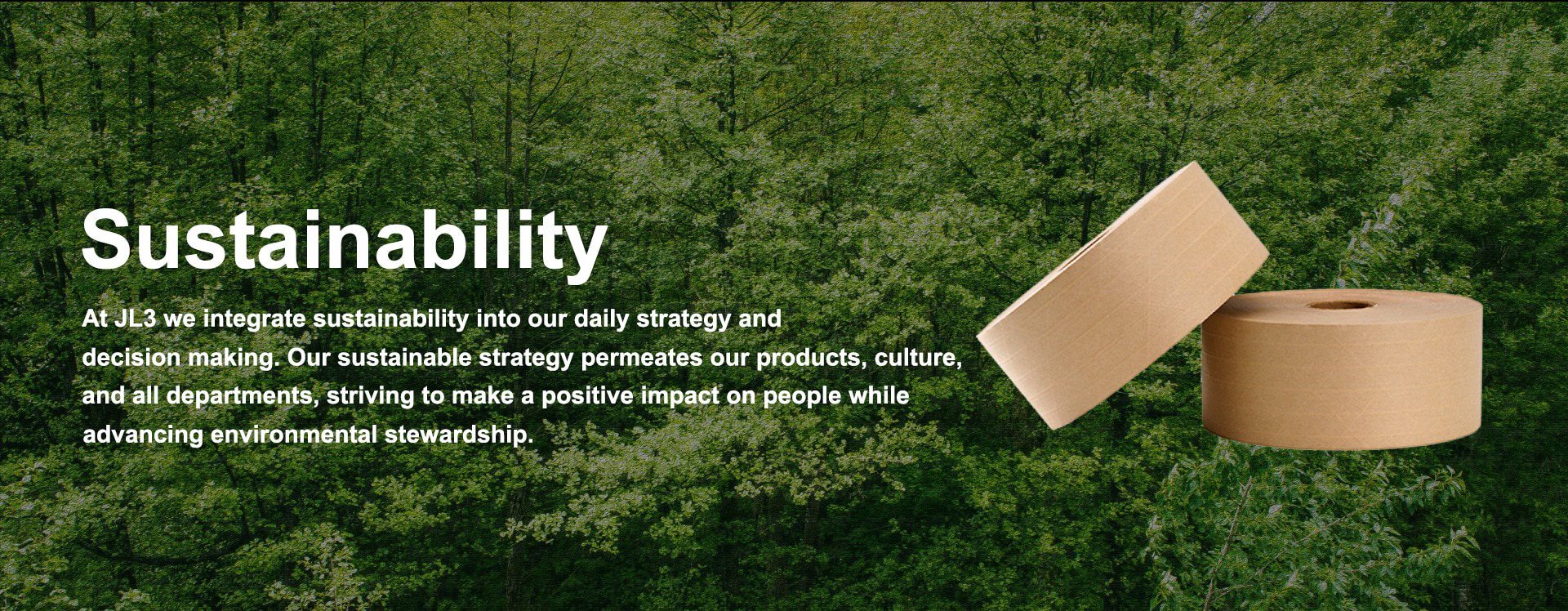
Plastic waste regulation is tightening across the EU and other major markets, retailers are publishing plastic-reduction commitments, and shoppers now photograph non-recyclable packaging and post it online. For brand owners and distributors, the humble carton-sealing tape has become a visible compliance and branding decision. Biodegradable water-activated tape (WAT) — kraft paper reinforced ...
Package tampering and porch theft have quietly become a line item on many brands' P&L. Comcast has reported that roughly 1 in 4 people have been a victim of package theft, and theft during transit is even harder to detect — because plastic pressure-sensitive tape simply sits on top of the box. A hand can slide under it, contents can be lifted out, and the carton looks untouched. Water-ac...
Clean Removal Filament Tape: Bundle High-Value Surfaces Without the Residue Strapping tape that does its job too well creates a new problem after delivery: adhesive residue. On stainless-steel coils, powder-coated appliance panels, or lacquered furniture surfaces, leftover glue means rework, scrap, or a customer claim — and the cleanup usually costs more than the tape ever did. Clean removal...
Frozen foods, meat processing, dairy facilities, unheated warehouses — cold environments are hostile to ordinary packaging tape. In subzero conditions, standard adhesives lose instant stick, then brittle with time. The result is not just cosmetic; it's a supply chain failure: open seals, spilled inventory, rejected loads. Cold-temperature tape solutions are engineered specifically for that e...
Walk any packing station and you will see the same roll: 2-inch tape, regardless of what is inside the box. Width became a habit, not a specification. But width, thickness and reinforcement are doing three different jobs, and matching them to box weight is the cheapest reliability upgrade a packing operation can make. Width: contact area is holding power Wider tape means more adhesive in contact w...
In carton sealing tape, the adhesive system governs seal reliability more than any other component — more than backing, more than width. Three chemistries account for virtually the entire market: hot melt (synthetic rubber), water-based acrylic, and natural rubber. They differ in tack, shear, temperature behavior and aging in ways that decide whether a carton stays sealed through the supply ...
 English
 Deutsch
 español
 العربية
 中文
中文




 IPv6 network supported