Switching tape suppliers is where procurement savings go to leak. The new tape is cheaper on paper, then the trial rolls behave differently, the line operators complain, mixed inventory causes confusion, and three months later purchasing quietly reorders from the old supplier at the old price. None of that is inevitable. A structured transition — qualify, overlap, brief, lock — gets yo...
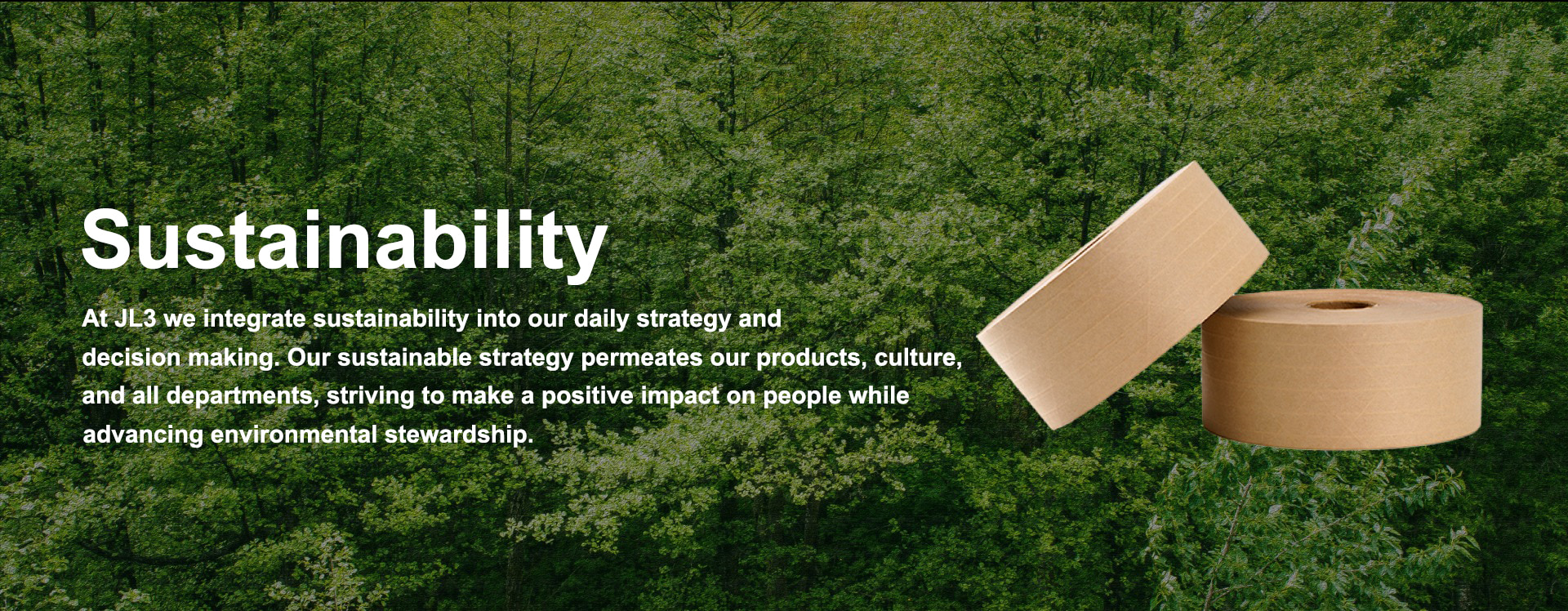
Reinforced water-activated kraft tape is marketed as recyclable with the carton — and on paper, it is. The kraft backing and the starch-based adhesive both break down in the repulper. But the fiberglass reinforcement does not: in paper mills, glass filaments are screened out during repulping and typically end up landfilled as process waste. For buyers who need a genuine mono-material claim &...
Filament tape looks simple — a plastic film with glass fibers running through it — so buyers often spec it the way they buy commodity packing tape: pick a tensile number, pick a width, done. The failures that follow are rarely the tape’s fault. They trace back to the same five specification mistakes, and each one is cheaper to fix on paper than in the field. Here they are, in the...
A manual carton sealing station fails in small, repeatable ways: one operator cuts tape long, the next cuts it short, a third presses it down dry, and by the end of the shift no two cartons are sealed the same. The fix is not a bigger machine. It is a station designed around one job — same tape, same length, same pressure, every carton — with the dispenser, the tape, and the work surfa...
Bundling is where filament tape either earns its reputation or loses it. A bundle of pipes, lumber, cables, or appliances is not a carton: it has no box to hold its shape, its weight shifts when it is lifted, and its edges are often sharp, round, or both. The tape in a bundle is not a seal — it is the structure. Get the direction, the wrap count, and the contact points right, and a heavy bun...
Double-sided tape fails for a different reason than carton tape. A carton seal fails when it peels; a double-sided bond fails when it was the wrong tape for the two surfaces in the first place. Tissue tape on a heavy panel, filament-backed tape on a delicate label, or a high-peel tape on a surface that must come apart cleanly — each is a mismatch, not a quality problem. Choosing double-sided...
Fulfilment punishes slow sealing in a way wholesale shipping does not. Orders are small, mixed, and urgent. Carton sizes change every few minutes. And the person opening the carton is a customer, not a warehouse — a torn, messy, or resealed-looking parcel becomes a review, a return, or a fraud claim. Short version: speed comes from removing decisions from the bench, not from hurrying. One pr...
A carton sealed today is not necessarily a carton that will open cleanly in six months. Seasonal stock held for the next peak. Spare parts kept for a service contract. Export goods waiting for a shipping window. In those cases the seal is not judged at the packing bench. It is judged months later, after stacking, humidity, and temperature cycles have had their turn. Short version: a seal fails slo...
Warehouse safety programs tend to focus on the obvious risks: lifting heavy cartons, forklift traffic, slips on the floor. The packing station rarely gets the same attention. Yet it is where the same motions are repeated hundreds of times a day, every day. Reach, pull, cut, press, repeat. Done badly, that sequence wears people down quietly. Done well, it is fast and, mostly, unremarkable — w...
 English
 Deutsch
 español
 العربية
 中文





 IPv6 network supported