English
 Deutsch
 español
 العربية
 中文

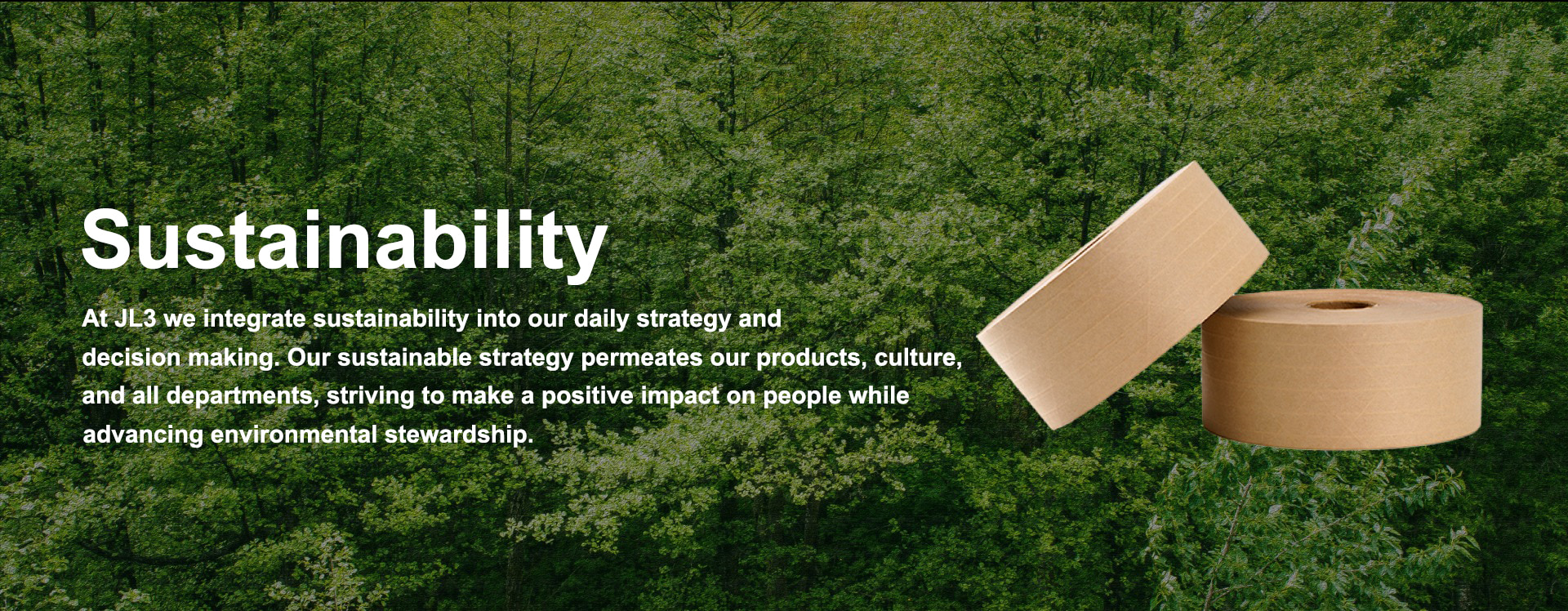
The cheapest way to stop seal failures is also the simplest: match the tape to the weight of the carton. A tape that is too light for the box will fail no matter how carefully it is applied, and a tape that is heavier than the box needs is money spent for nothing. Get the weight right first, and most of the other decisions get easier.
A sealed carton is not a still object. It is lifted, stacked, dropped, and vibrated through a courier network, and every one of those movements pulls on the seal. The heavier the contents, the harder the pull. Tensile strength is the number that tells you how much pull a tape can take before it gives way, and it is measured in pounds per inch of width. A light carton asks little of the seal, so a light tape is enough. A heavy carton asks a lot, and only a reinforced grade with a high tensile rating will hold it shut through the journey.
The mistake we see most often is buying one tape for every carton. A plant that ships mostly light cartons and a few heavy ones will usually buy the heavy grade for everything, which works but wastes money on every light box. A plant that buys the light grade for everything saves money until the first heavy carton arrives open at the customer. The fix costs nothing: weigh the cartons, sort them into bands, and keep one grade per band on the shelf.
We size our water activated grades by the weight of the packed carton. Pick the grade for your heaviest regular carton in each band, not for the average one.
| Packed carton weight | Grades to use | Tensile strength (MD) |
|---|---|---|
| Up to 10 lb | JLN-370, JLN-382 | 25, 35 lbs/in |
| 10 to 35 lb | JLN-3140, JLN-3150 | 57, 58 lbs/in |
| 35 to 55 lb | JLN-3160, JLN-3750 | 61, 65 lbs/in |
| 55 to 90 lb | JLN-3780 | 72 lbs/in |
| Above 90 lb | JLN-37120, JLN-37120R | 90, 92±18 lbs/in |
The jump from one band to the next is the point. A 40 lb carton sealed with a 35 lbs/in tape is running close to the limit, and a rough journey will find the limit. The same carton sealed with a 61 lbs/in tape has room to spare. When a carton sits near the top of a band, move it up to the next band. The cost of one grade step is small next to the cost of one failed delivery.
The grades in the table fall into two groups. Unreinforced water activated tape is kraft paper and starch adhesive, nothing else in it. It bonds with the fibers of the carton, it shows tampering clearly because the seal cannot be peeled off without tearing the board, and the sealed carton can go into paper recycling with the tape still on it. Use it wherever the weight allows, which is most cartons.
Reinforced grades add filaments for strength, which is what makes them suitable for heavy cartons. The filaments are a different material from the paper, so reach for reinforced tape only where the carton actually needs it. Two suffixes are worth knowing. R grades use a recycled paper backing, and their tensile strength carries a tolerance of plus or minus 18 lbs/in, which is the natural variation of recycled fiber. E grades use plant fiber yarn in place of fiberglass, which keeps the tape fully recyclable while still adding strength.
Weight picks the grade, but four other things decide whether the seal holds. First, the carton itself. Tape bonds best to clean, dry board. A dusty, damp, or crushed carton will defeat even the right grade, so check the board before blaming the tape. Second, storage. Keep rolls between 4 and 26 degrees Celsius at 40 to 50 percent relative humidity, and use them within their shelf life of two years. Tape left open in a damp packing area can start activating in the roll, and once it has done that it will not bond properly. Third, the application. Water activated tape needs its starch layer fully and evenly moistened, and an electric dispenser does that far more consistently than a sponge and a brush. Fourth, a trial. Tape performance figures are laboratory averages, and your board grade and humidity will differ, so seal a few of your own cartons and drop test them before you commit to a grade.
We manufacture water activated kraft tape from light grades to heavy reinforced grades, with recycled backing and plant fiber options, plus the dispensers that apply it consistently. Contact us through the inquiry form with your heaviest carton weight and we will recommend a grade rated for it. Tensile and shelf life values are laboratory averages. Actual performance depends on the carton, surfaces, temperature, and handling, and should be validated on your own cartons before full adoption.




 IPv6 network supported